 Shop

Premium extra virgin olive oil from Spain, Italy, Greece and France.
Discover our selection of extra virgin olive oil: fresh, carefully produced oils without sensory defects. From mild Arbequina and elegant Koroneiki to bold Picual and Coratina. For everyday cooking and dishes in which the oil itself takes centre stage.
The acidity, peroxide value and polyphenol content can be found in the specifications for each olive oil.
Extra virgin is an official quality category, not a marketing term. Discover the requirements an olive oil must meet.
All about extra virgin (in Dutch) →Frequently asked questions about extra virgin olive oil +
When choosing extra virgin olive oil, you probably want to know what this highest quality category means, how to recognise good quality and whether you can cook with it. Extra virgin olive oil must meet chemical standards and pass a sensory assessment without defects.
What is extra virgin olive oil?
Extra virgin olive oil is the highest legally defined quality category. It is obtained from olives solely by mechanical means, is unrefined, has no sensory defects and must have fruitiness. Its free acidity must not exceed 0.8%. Truly outstanding quality also depends on the harvest, freshness, processing and flavour.
What is the difference between extra virgin and regular olive oil?
Regular olive oil is generally a blend of refined olive oil and a smaller amount of virgin olive oil. Extra virgin is pure olive juice: unrefined, with more aroma, flavour and character. That makes extra virgin olive oil the choice when flavour and origin matter.
How do you recognise good extra virgin olive oil?
Look for clear information about the producer and origin, a recent harvest, a dark bottle or tin and a clearly described flavour profile. Good oil smells fresh and fruity. Bitterness and a peppery sensation in the throat are not defects; they are often characteristic of fresh olives and natural polyphenols.
Can you cook with extra virgin olive oil?
Yes. Extra virgin olive oil is suitable for frying and roasting, as long as you do not let it smoke. Particularly aromatic oils are also wonderful used raw: drizzle them over vegetables, pasta, fish, soup, salad or good bread to enjoy their character at its clearest.
Why is extra virgin olive oil sometimes bitter or peppery?
Green, early-harvested olives often contain more polyphenols. These contribute structure, bitterness and a pleasant peppery sensation at the back of the throat. Intensity is a matter of taste; bitterness and pepperiness do not mean that an oil is too harsh or of poor quality.
Light, heat and oxygen are olive oil's greatest enemies. Keep your bottle tightly closed in a cool, dark place, away from the hob and direct sunlight. Read more in The Olive Oil Academy (in Dutch) →

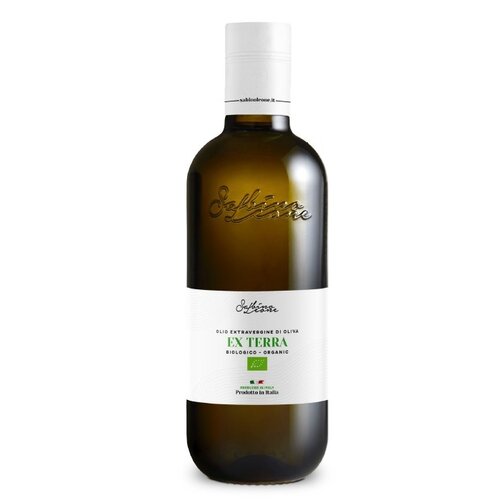
Classic Toscano IGP blend by Frantoio Franci. Fresh and herbaceous with artichoke, cut grass, ripe fruit and tomato. Beautifully balanced bitterness and pepperiness. Exceptionally versatile. Read more

Classic Toscano IGP blend by Frantoio Franci. Fresh and herbaceous with artichoke, cut grass, ripe fruit and tomato. Beautifully balanced bitterness and pepperiness. Exceptionally versatile.

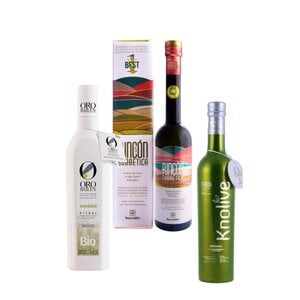
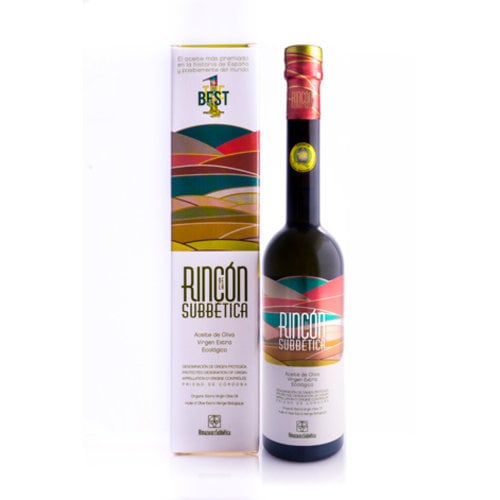
Awarded World's Best Olive Oil multiple times and 100% organic.
Available in 500 ml and 250 ml. Read more
Awarded World's Best Olive Oil multiple times and 100% organic.
Available in 500 ml and 250 ml.
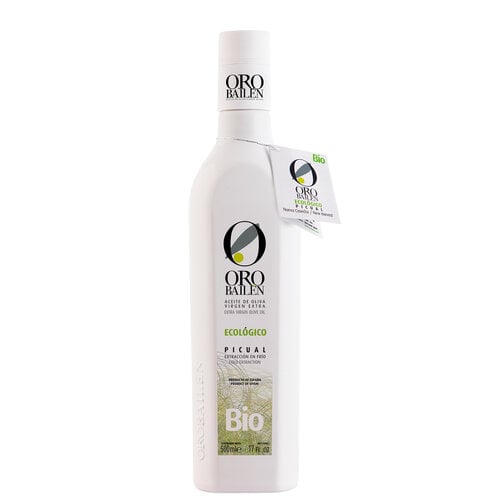
World-class olive oil. Truly liquid gold. Read more

World-class olive oil. Truly liquid gold.

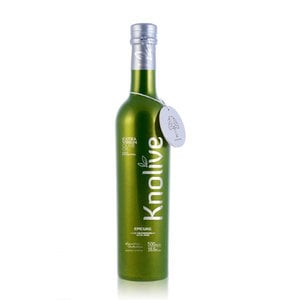

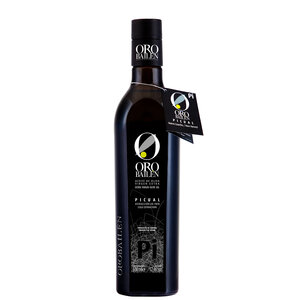


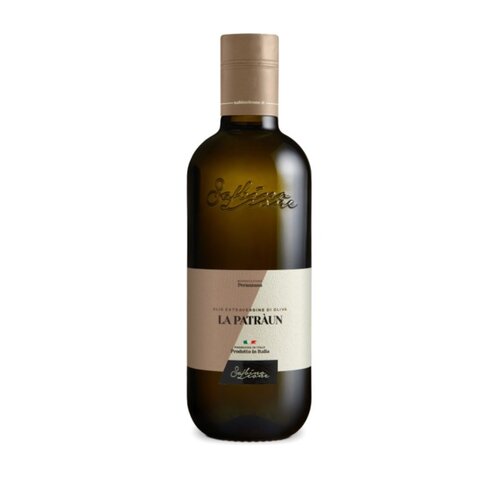
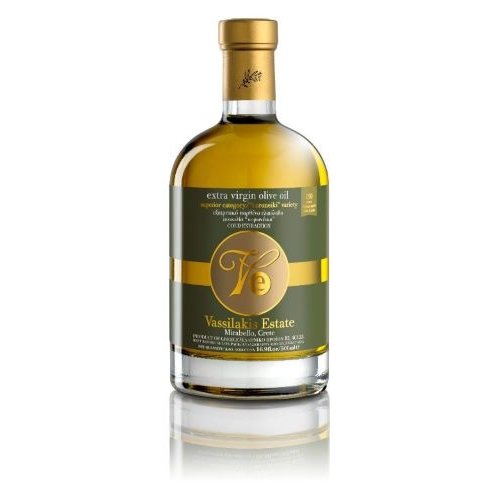

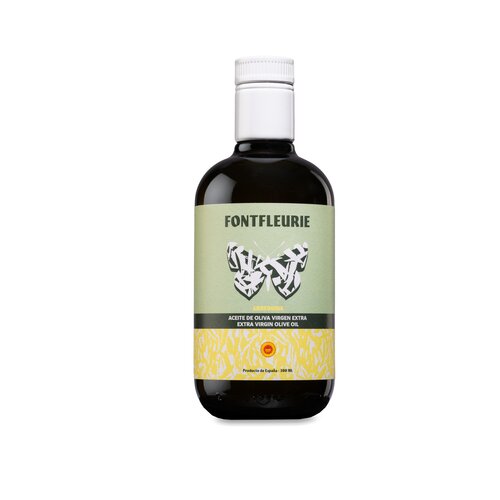

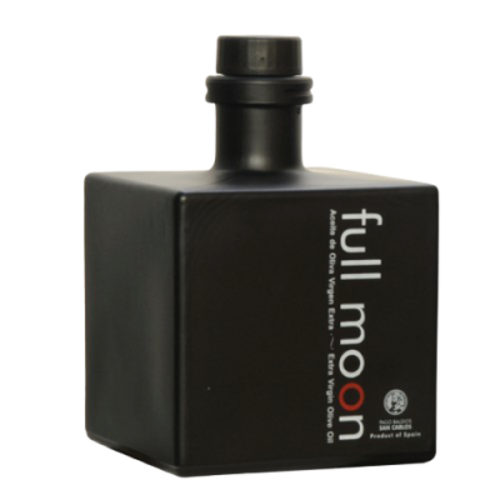
Elegant blend from Extremadura of Arbequina, Hojiblanca, Picual and rare Morisca. Green and fruity with almond, tomato, herbs and green banana. Soft at first, followed by refined bitterness and gentle pepperiness. Read more

Elegant blend from Extremadura of Arbequina, Hojiblanca, Picual and rare Morisca. Green and fruity with almond, tomato, herbs and green banana. Soft at first, followed by refined bitterness and gentle pepperiness.