
Italian Olive Oil
Discover the Finest Extra Virgin Olive Oils from Italy
When people think of Italy, they think of long dinners, steaming bowls of pasta, ripe tomatoes, fresh basil and, of course, olive oil. In almost every Italian kitchen, a bottle of extra virgin olive oil is always within reach. Not only to finish a salad, but also for bruschetta, grilled vegetables, fish, meat and a simple plate of pasta. In Italy, good olive oil is not considered a luxury product – it is simply part of everyday life.
Yet there is no single "Italian olive oil." Italy stretches from the Alps to the Mediterranean and offers enormous differences in climate, soil and tradition. An olive oil from the cooler north can be delicate and mild, while an early-harvest Coratina from Puglia is often bold, bitter and peppery. Sicily produces yet another style, shaped by abundant sunshine, sea breezes and volcanic soils.
It is precisely this regional diversity that makes Italian extra virgin olive oil so fascinating. From Tuscany and Umbria to Puglia and Sicily, every region has its own olive varieties, traditions and family producers who have often been perfecting their craft for generations.
At De Olijfolie Shop, we carefully select Italian extra virgin olive oils with a distinctive personality. No anonymous mass-produced oils, but authentic products with a known origin, passionate producer and unmistakable character. From elegant classics to powerful early harvests and internationally award-winning olive oils.
Why Italian Olive Oil Is Loved Around the World
Italy may have the strongest olive oil reputation in the world. That reputation is not based solely on quality, but also on the important role olive oil plays in Italian cuisine. In Italy, olive oil is far more than an ingredient – it brings flavours together and gives many dishes their distinctive character.
Just a drizzle of outstanding extra virgin olive oil can transform a simple tomato into something extraordinary. The same applies to bread, mozzarella, pasta and grilled vegetables. Italian chefs use olive oil not to mask flavours, but to enhance them.
However, this excellent reputation also has another side. The words "Italian olive oil" on a bottle do not automatically mean that the olives were grown in Italy. Italy also imports olive oil from other countries, which may then be blended or bottled within Italy. Anyone looking for genuine Italian olive oil should therefore pay close attention to the origin of the olives, the harvest year and the producer.
The very best Italian producers are completely transparent about these details. They proudly state where their olives are grown, which olive varieties they use and how quickly the olives are processed after harvest. This openness is often an excellent indication of quality.
A Journey Through Italy's Olive-Growing Regions
Italian olive oil is deeply connected to the region where it is produced. Much like wine, differences in climate, soil and landscape are reflected in the flavour of the oil. A bottle from Puglia tells a very different story from one produced in Tuscany or Sicily.
Puglia
Puglia, located in the heel of Italy's boot, is one of the country's most important olive-growing regions. The landscape is filled with ancient olive trees, many of which are hundreds of years old. The hot, dry summers produce olives with remarkable intensity.
The region's best-known variety is Coratina. It produces bold, intensely green extra virgin olive oil with aromas of fresh grass, artichoke, green almond and herbs. Its pleasant bitterness and peppery finish make Coratina a favourite among olive oil enthusiasts, while its naturally high antioxidant content contributes to excellent stability.
Tuscany
Tuscany enjoys an almost legendary reputation. Rolling hills, cypress trees, historic farmhouses and small olive groves create one of Italy's most iconic landscapes. Production is often smaller in scale than in southern Italy, with lower yields per tree.
Tuscan olive oil is typically vibrant, fresh and herbaceous. Olive varieties such as Frantoio, Leccino and Moraiolo are often blended to create oils with aromas of grass, artichoke, green almond and a gentle peppery finish. These oils are particularly delicious on bruschetta or traditional bean dishes.
Sicily
Sicily is one of Italy's most diverse olive-growing regions. The island combines dry coastal areas, fertile plains and volcanic soils around Mount Etna, creating a remarkable variety of olive oils.
Biancolilla produces elegant, delicate oils, while Nocellara del Belice often offers richer flavours with notes of tomato, herbs and almond. Today, many Sicilian producers successfully combine centuries-old traditions with state-of-the-art mills and very early harvesting, resulting in olive oils that receive international recognition year after year.
Umbria and Other Regions
Umbria, Liguria, Veneto, Lazio and the areas surrounding Lake Garda also produce exceptional olive oils. The cooler northern regions generally produce softer, more delicate oils, while central Italy is renowned for vibrant green and herbaceous styles.
This remarkable diversity is one of the greatest strengths of Italian olive oil. There is no single Italian flavour. Exploring the different regions is part of the experience.
The Most Famous Italian Olive Varieties
Italy is home to hundreds of olive varieties. Many grow only within a specific region and are closely linked to local traditions and cuisine. Some produce elegant, delicate oils, while others are bold and naturally rich in polyphenols.
Coratina
Coratina is mainly grown in Puglia and is famous for its intensity. The oil is deeply green, pleasantly bitter and peppery, with aromas of grass, artichoke, green almond and wild herbs. Thanks to its naturally high antioxidant content, high-quality Coratina olive oil also has excellent shelf life.
Frantoio
Frantoio is most closely associated with Tuscany, although it is grown throughout much of Italy. It produces elegant, aromatic olive oil with notes of fresh grass, artichoke, green apple and almond. Its bitterness and pepperiness are beautifully balanced.
Read also: Everything about the Frantoio olive
Leccino
Leccino generally produces a softer, approachable olive oil with delicate flavours of almond, apple and fresh herbs. It is often blended with more robust varieties to create beautifully balanced extra virgin olive oils.
Biancolilla
Biancolilla is a traditional Sicilian olive variety known for producing elegant, lightly fruity oils with subtle floral notes. It pairs beautifully with fish, seafood, salads and soft cheeses.
Nocellara del Belice
Nocellara del Belice is valued both as a table olive and for olive oil production. The resulting oils are rich and vibrant, offering aromas of tomato, herbs and almond with plenty of personality.
What Does Italian Olive Oil Taste Like?
Italian olive oil offers an extraordinary range of flavours. Its character depends not only on the olive variety, but also on the harvest date, climate, soil and production methods.
Early-harvest olive oils are typically greener, more bitter and more peppery. At this stage the olives contain less oil but significantly more aroma, flavour and natural antioxidants. Later-harvest olives generally produce softer, rounder oils with a milder profile.
Italian extra virgin olive oil may reveal aromas of freshly cut grass, artichoke, green almond, apple, tomato leaf, herbs and sometimes even flowers or citrus fruit. A Coratina from Puglia can be bold and intense, while a Sicilian Biancolilla is often elegant and delicate.
Bitterness and pepperiness are not defects in high-quality extra virgin olive oil. On the contrary, they are signs of freshness and are largely caused by the presence of natural polyphenols. The key is balance: a great olive oil can be powerful while remaining harmonious and refined.
DOP and IGP – What Do These Quality Labels Mean?
Italian olive oils often carry the abbreviations DOP or IGP. These European quality labels protect the geographical origin and traditional production methods of regional products.
DOP stands for Denominazione di Origine Protetta. A DOP olive oil must be produced entirely within the designated region, using olives grown there and processed according to strict regulations covering olive varieties, harvesting and production.
IGP stands for Indicazione Geografica Protetta. This certification is slightly broader, requiring that at least one important stage of production is linked to the specified region.
A quality label does not automatically guarantee the world's finest olive oil, but it does provide valuable information about origin and authenticity. This is especially important for Italian olive oil, as not every bottle with an Italian label is made exclusively from Italian olives.
Family Businesses and Traditional Craftsmanship
Many of Italy's finest olive oils are still produced by family businesses. It is common to find several generations working together in the olive groves and mills. Grandparents know every tree, parents safeguard quality, while younger generations combine tradition with modern technology.
That certainly does not mean production has remained unchanged for a century. Quite the opposite. Today's leading producers combine generations of experience with state-of-the-art mills, rapid processing and rigorous quality control. In many cases, the olives are pressed within just a few hours of harvesting to preserve freshness and prevent oxidation.
This unique combination of tradition and innovation is one of the reasons Italian olive oil is so highly regarded. The family story remains intact while modern technology ensures consistently outstanding quality.
Italian Olive Oil with Pasta, Pizza and Other Dishes
Italian extra virgin olive oil is much more than a salad dressing. Throughout Italy it is used both during cooking and as the finishing touch just before serving.
A simple pasta with garlic and chilli benefits from a bold olive oil such as Coratina, whose peppery finish adds depth and character. Burrata, mozzarella and delicate fish dishes are often better complemented by softer, fruitier olive oils that allow subtle flavours to shine.
Fresh, aromatic olive oil is also perfect on bruschetta. Combined with ripe tomatoes, basil and toasted bread, it immediately showcases the freshness and vibrancy of a truly outstanding extra virgin olive oil. Even pizza becomes more flavourful with a drizzle of quality olive oil after baking.
Grilled meats, mushrooms and hearty vegetables pair beautifully with robust olive oils, while risotto, seafood and light salads are often enhanced by milder styles. There is no single perfect Italian olive oil for every dish—the best choice depends on both the recipe and your personal taste.
Can You Cook with Italian Extra Virgin Olive Oil?
Absolutely. High-quality extra virgin olive oil is perfectly suitable for frying, roasting and everyday cooking. Rich in monounsaturated fats and natural antioxidants, it remains remarkably stable under normal cooking conditions.
The main difference lies in flavour. A robust early-harvest olive oil will contribute vibrant herbal notes and pleasant pepperiness to cooked dishes. This works wonderfully with vegetables, meat and Mediterranean recipes, although it may not be the best option when a milder flavour is preferred.
For everyday cooking, many people choose a softer Italian olive oil, while saving exceptional premium oils to drizzle over finished dishes, allowing every nuance of flavour to be fully appreciated.
Read also: Everything about cooking with olive oil
How Can You Recognise High-Quality Italian Extra Virgin Olive Oil?
A beautiful bottle or an Italian-looking label does not automatically guarantee quality. It pays to look a little closer.
Reliable producers clearly state where the olives were grown, which varieties were used and the harvest year. The producer's name, together with any DOP or IGP certification, also provides valuable information about authenticity.
Fresh olive oil should have a pleasant fruity aroma. Depending on the variety, you may notice scents of grass, herbs, artichoke or ripe fruit. Musty, rancid or wine-like aromas are clear signs of poor quality.
Packaging also matters. Dark glass bottles and tins protect olive oil from light. At home, store olive oil in a cool, dark place and always reseal the bottle immediately after use.
Acidity is one indicator of chemical quality, but it does not tell the whole story. Genuine extra virgin olive oil must also be completely free from sensory defects. Ultimately, aroma, flavour, freshness and balance determine its true quality.
Why Choose Italian Olive Oil from De Olijfolie Shop?
We do not select Italian olive oils simply because they come from a famous region or have attractive packaging. We focus on the producer, the harvest, the olive varieties, the flavour and the entire production process.
Our collection includes approachable everyday olive oils as well as exceptional early harvests and internationally award-winning premium oils. We work with renowned producers from Puglia, Sicily and several of Italy's finest olive-growing regions.
Many of these producers are family businesses with a rich history. Some specialise in powerful Coratina oils, while others produce elegant Sicilian olive oils or refined classics that perfectly complement Italian cuisine.
At De Olijfolie Shop, you will find authentic Italian extra virgin olive oils that not only come from Italy but also perfectly match your personal taste and favourite dishes.
Frequently Asked Questions about Italian Olive Oil
Why is Italian olive oil so highly regarded?
Although Italy produces less olive oil than Spain, it has built a worldwide reputation for craftsmanship, culinary tradition and exceptional quality. Many Italian producers are family businesses that have been making extra virgin olive oil for generations.
Which is the best-known Italian olive variety?
There is no single most famous variety. Coratina, Frantoio, Leccino, Biancolilla and Nocellara del Belice are among Italy's best-known olives. Each produces olive oils with its own distinctive flavour and character.
What is the difference between Tuscan and Puglian olive oil?
Olive oils from Tuscany are often fresh, herbaceous and elegant. In Puglia, producers are renowned for powerful oils made from the Coratina olive, which are typically more intense, bitter and peppery.
What does DOP mean on Italian olive oil?
DOP stands for Denominazione di Origine Protetta. This protected designation guarantees that the olives, production and processing all take place within a specific geographical region according to strict quality standards.
Is Italian extra virgin olive oil suitable for cooking?
Yes. High-quality extra virgin olive oil is excellent for frying, roasting and everyday cooking. However, many olive oil enthusiasts prefer to drizzle exceptional premium oils over dishes just before serving to preserve their delicate aromas.
What does Italian olive oil taste like?
That depends on both the region and the olive variety. Italian olive oils may offer aromas of freshly cut grass, artichoke, green almond, apple, tomato leaf, herbs and even citrus. Some oils are delicate and elegant, while others are bold, intense and pleasantly peppery.
Which Italian olive oil is best for pasta?
Simple pasta dishes pair beautifully with a robust extra virgin olive oil. Creamy sauces or delicate seafood dishes are often better complemented by softer, more elegant oils.
How should Italian olive oil be stored?
Store olive oil in a cool, dark place and always close the bottle tightly after use. Avoid direct sunlight and do not keep the bottle close to the cooker or other heat sources.
Read also
- Everything about the Frantoio olive
- What are polyphenols?
- Award-Winning Olive Oils
- Organic Olive Oil
- What does Extra Virgin really mean?
- Cooking with Olive Oil
- How should you store olive oil?
Our Favourite Italian Olive Oils
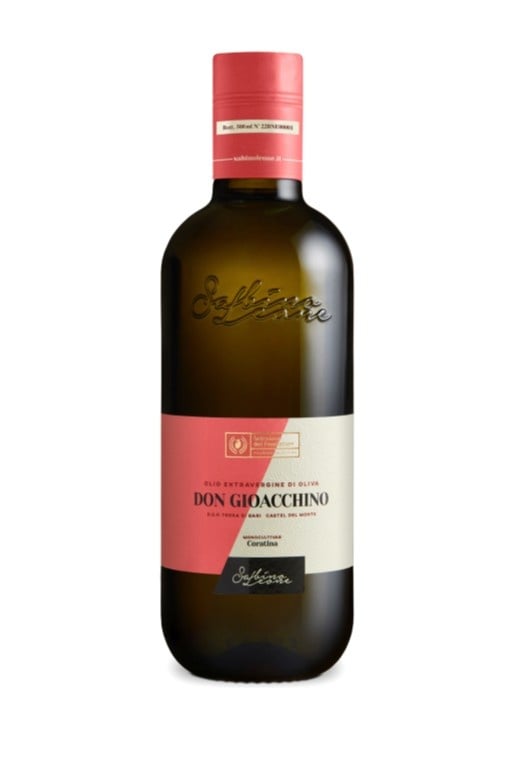
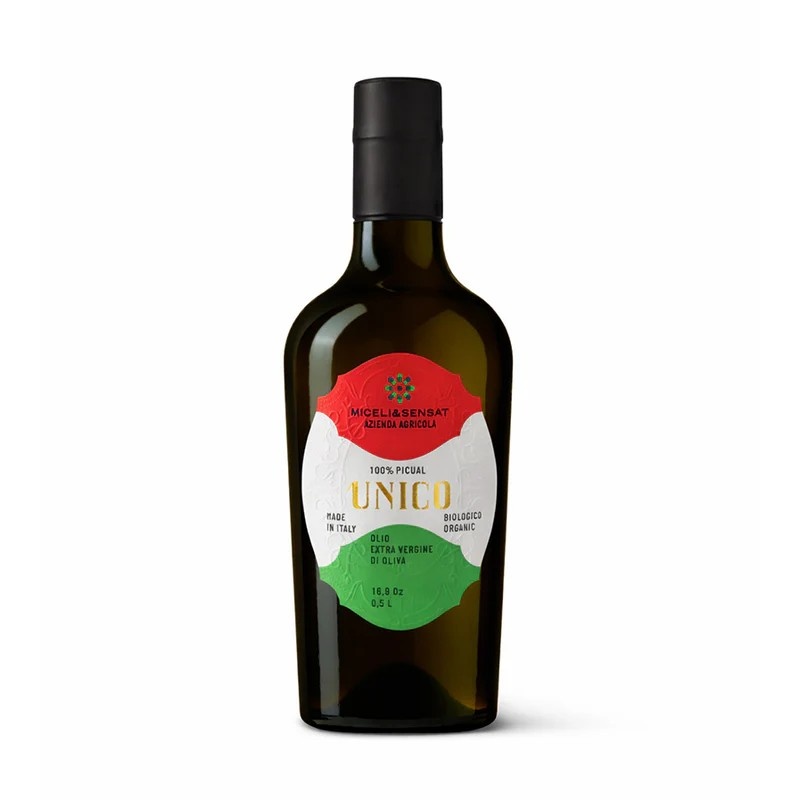
From the powerful Coratina of Puglia to an award-winning Sicilian masterpiece and a true Italian classic. These three extra virgin olive oils perfectly demonstrate why Italy has been synonymous with craftsmanship, passion and exceptional quality for generations.
Discover the Taste of Italy
Italian extra virgin olive oil is among the most admired olive oils in the world. From the bold Coratina of Puglia to the elegant Frantoio oils of Tuscany and the refined specialities of Sicily, every region has its own character, traditions and unique flavour profile.
At De Olijfolie Shop, you'll find a carefully selected collection of premium Italian olive oils from renowned family producers. Explore our complete range and discover the Italian extra virgin olive oil that perfectly matches your taste and favourite dishes.

Shop