Shop

Premium Extra Virgin Olive Oil from Spain, Italy and Greece
Explore our carefully selected range of premium extra virgin olive oil from Spain, Italy, Greece and France. The range spans mild, elegant oils and intensely green oils with bitter and peppery notes. Use the categories and filters to find an oil that suits your taste and how you plan to use it.
You can find the acidity, peroxide value and polyphenol content in the olive oil’s product specifications, where available.
On the Extra Virgin Olive Oil page, use the Polyphenols filter to choose a range.
Our finder takes your taste, cooking plans, polyphenol preferences, preferred origin, interest in organic oils and budget into account.
Find your olive oil →All about olive oil: frequently asked questions +
Knowing what you like makes choosing a good olive oil easier. Extra virgin olive oil varies widely by country, olive variety, harvest date and producer. Some oils taste mild and rounded, while others are fresh and green with bitter or peppery notes. Here are answers to common questions about olive oil quality, flavour, cooking, health and storage.
What makes a good olive oil?
Look for fresh extra virgin olive oil from a trusted producer, with a clearly stated origin and a flavour that suits how you plan to use it. It should smell fresh and fruity and may taste of grass, tomato, almond, apple, artichoke or herbs. Rancid, musty or wine-like aromas are signs of defects.
What is extra virgin olive oil?
Extra virgin is the highest legal quality grade for olive oil. The oil is obtained from olives solely by mechanical means. It must be unrefined, have no sensory defects and show fruitiness. Free acidity must be 0.8% or less. A recent harvest, prompt milling and careful storage also help produce and preserve the best flavours.
Which olive oil is best?
The best choice depends on the dish and your taste. A bold Picual or Coratina can work beautifully with grilled meat, soups and pulses. A mild Arbequina or an elegant Koroneiki can suit fish, salads and mayonnaise. Look for a flavour and intensity that suit what you’re cooking.
Why is olive oil sometimes bitter and peppery?
Bitterness and pepperiness are often features of fresh, high-quality extra virgin olive oil. Olives harvested while green can be rich in natural polyphenols, which contribute to bitterness and sometimes a distinct peppery sensation at the back of the throat. The intensity depends on the olive variety, the harvest and how you experience the flavour.
Can you fry with extra virgin olive oil?
Yes. Extra virgin olive oil works well for frying and roasting. Use a temperature that keeps the oil from smoking. A particularly aromatic oil can also make a lovely finishing touch on pasta, vegetables, fish, soup, salads or good bread, where its aroma and flavour come through clearly.
What is the best way to store olive oil?
Keep olive oil tightly sealed in a cool, dark place. Light, heat and oxygen speed up quality loss, so store it away from windows and the hob. Dark glass and tins protect it from light better than clear glass. Once opened, use the oil while its flavour is still fresh.
Is organic olive oil better?
Organic certification describes how the olives were grown. Flavour and quality also depend on the harvest, the producer, freshness and careful processing. Our selection includes high-quality olive oils from both organic and conventional producers.
Still deciding between mild, fruity and bold? Start the Olive Oil Finder → and get three personalised suggestions after six short questions.


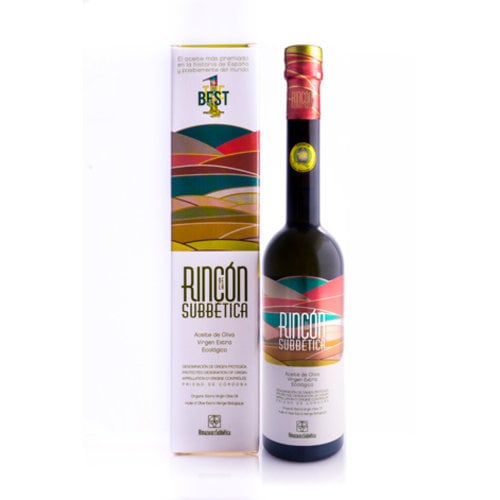
The new harvest is on its way. Order and pay now; expected delivery in the first week of December 2026. Your entire order will be dispatched together. Read more
The new harvest is on its way. Order and pay now; expected delivery in the first week of December 2026. Your entire order will be dispatched together.
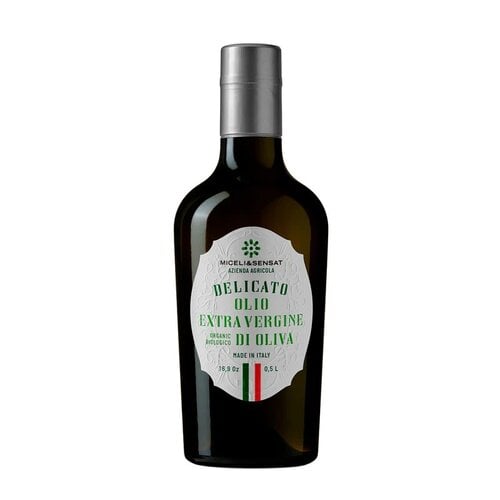
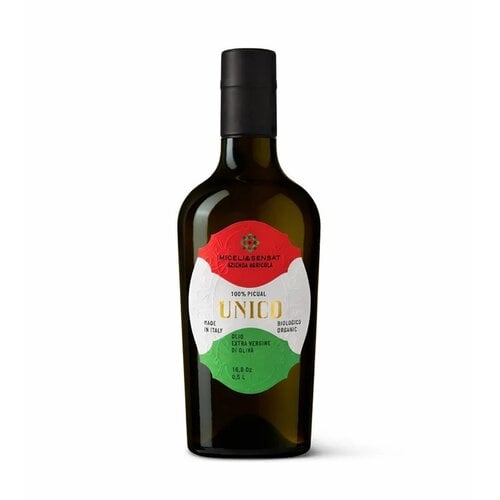
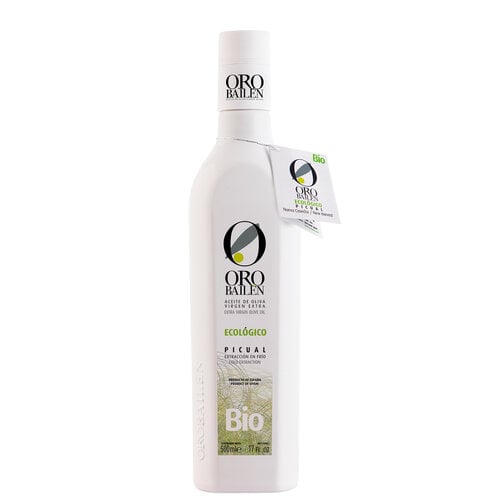
World-class olive oil. Truly liquid gold. Read more

World-class olive oil. Truly liquid gold.