


 Shop
Shop

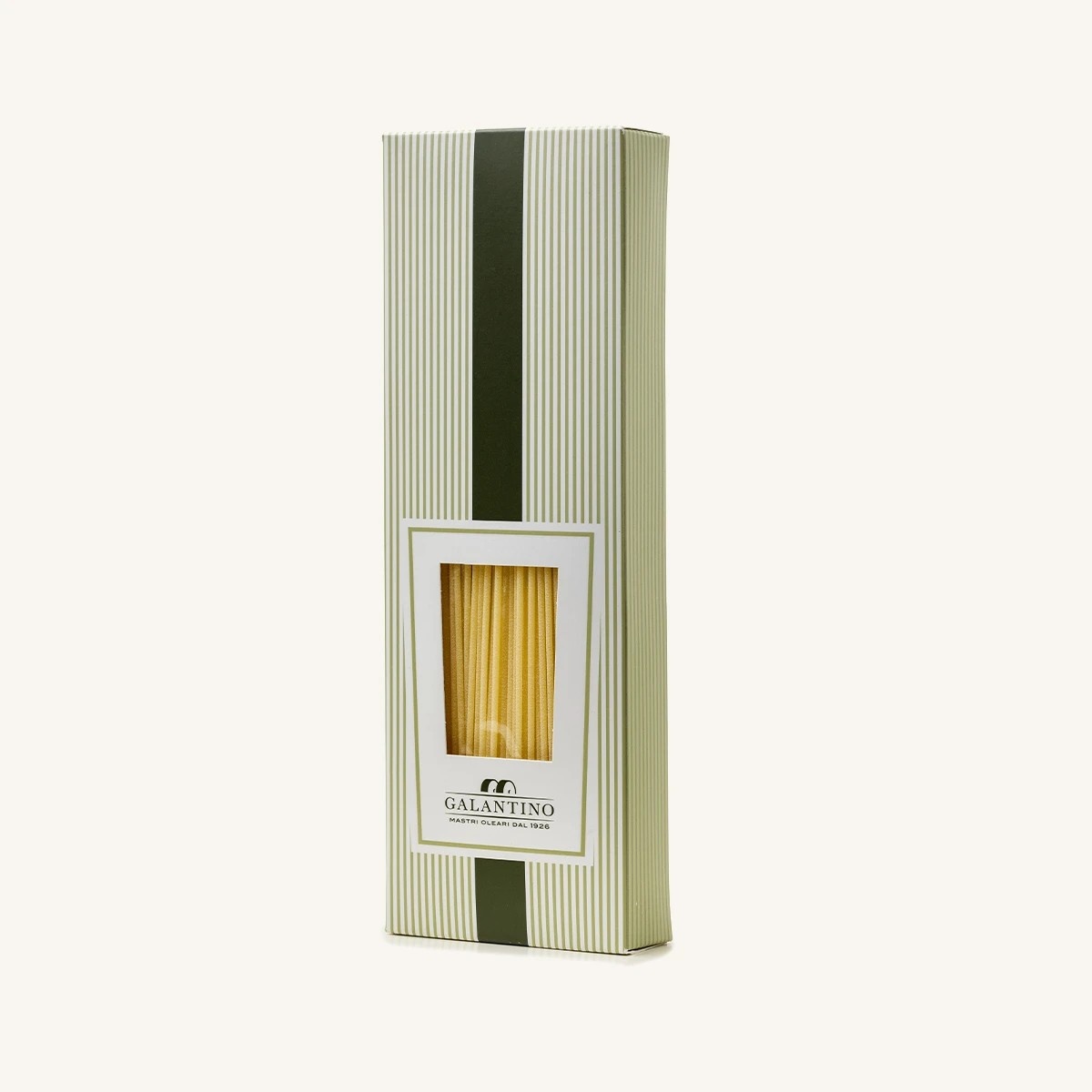
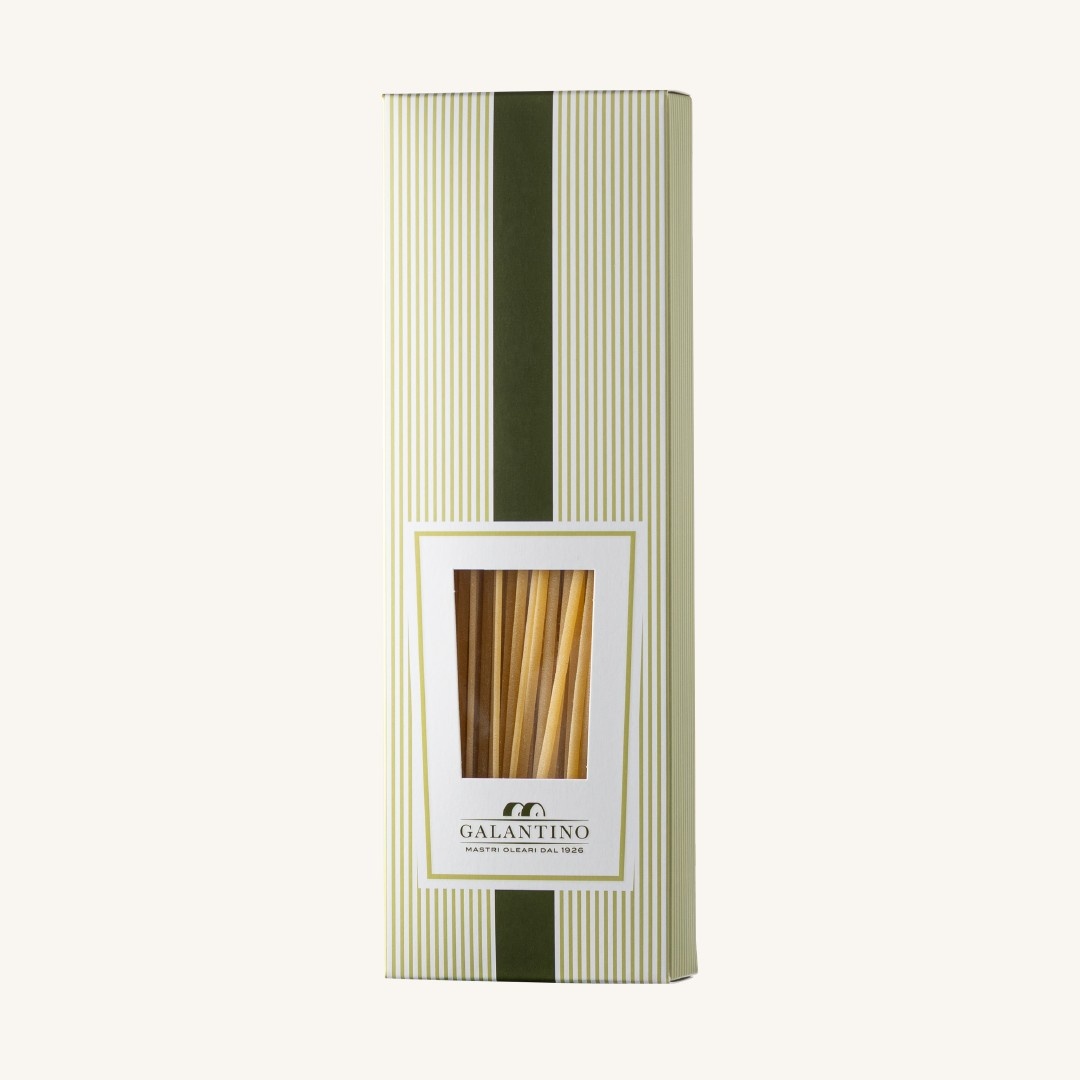
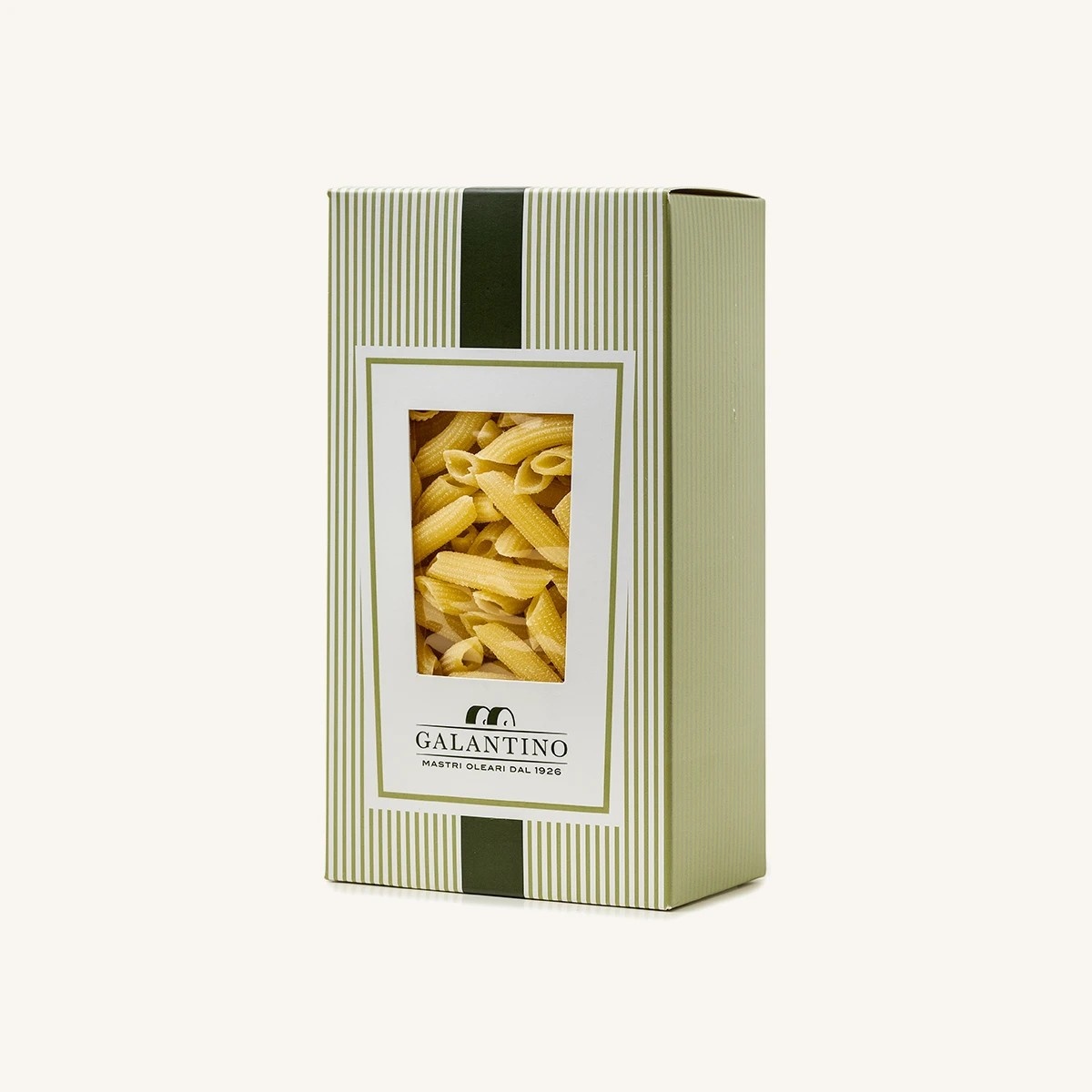
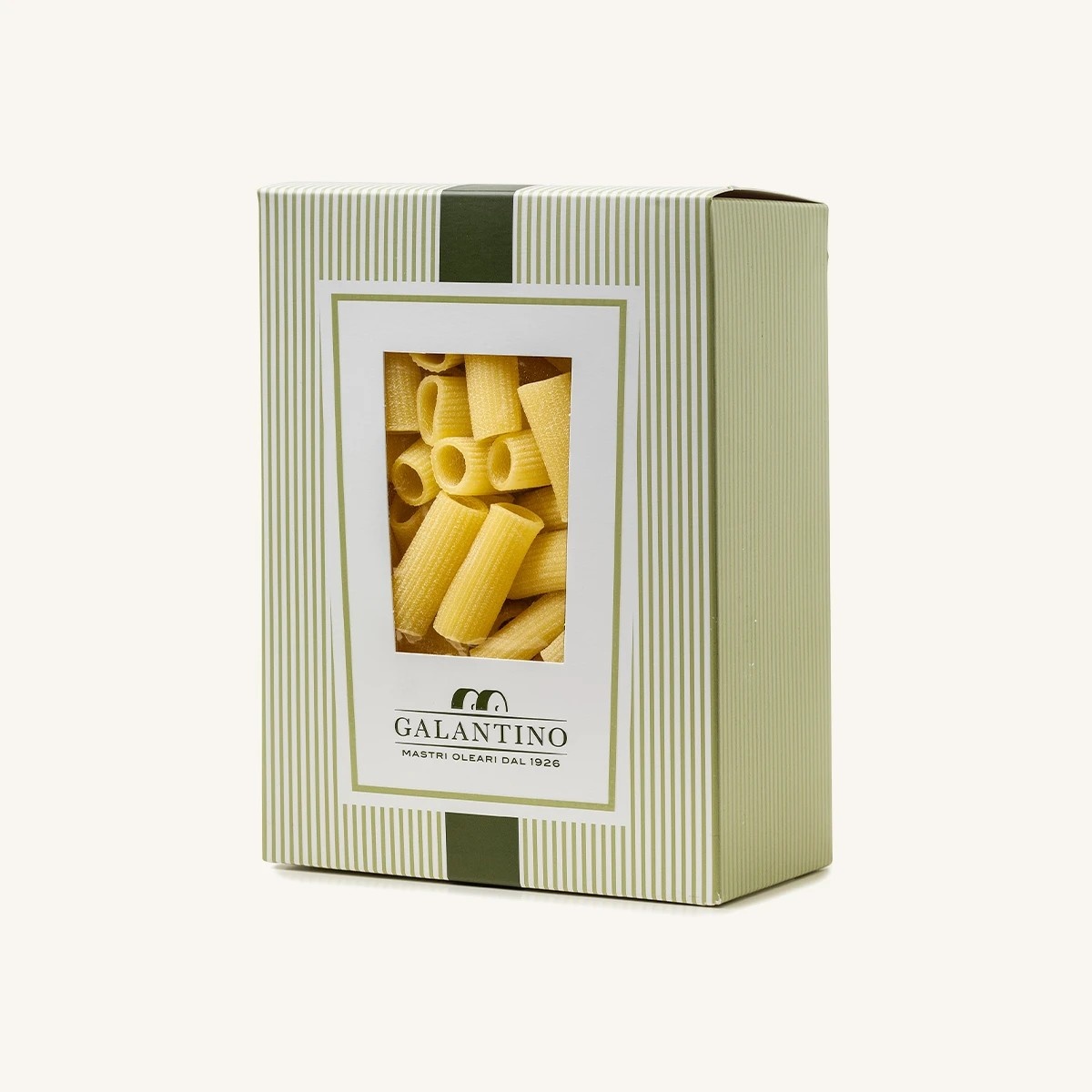
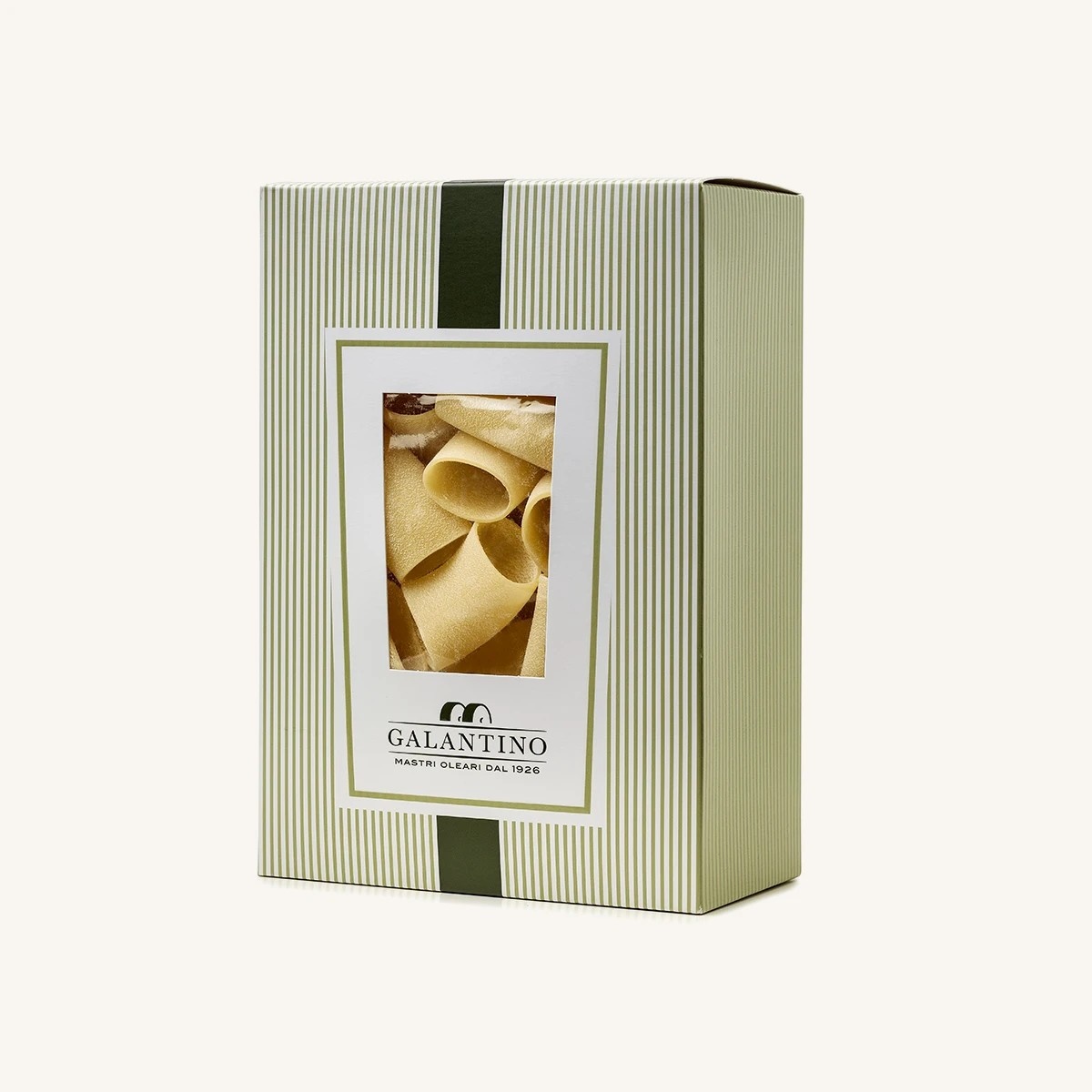
Choosing the right pasta shape is essentially choosing the right partner for a sauce. Long, smooth pasta works well with olive oil, cooking water and relatively smooth sauces. Hollow and ridged pasta can hold much more sauce, pieces of meat and vegetables.
That is why exactly the same sauce can suddenly feel very different with another pasta shape. Not because the flavour of the pasta changes, but because each bite contains a different balance of pasta and sauce.
Not sure which of the five to choose? Start with the sauce. The lighter and smoother the sauce, the finer and smoother the pasta can be. The richer and chunkier the sauce, the more structure and space the pasta needs.
Spaghetti is the classic: long, round and relatively thin strands. Because the surface is small and smooth, very heavy or chunky sauces do not cling to it as easily.
That is actually an advantage with sauces based on olive oil, pasta water, egg or a smooth tomato sauce. The pasta remains supple and every strand is lightly coated with sauce.
Linguine is as long as spaghetti, but flat rather than round. This gives every strand more surface area, allowing the sauce to cling more easily to the pasta.
That makes Linguine particularly suitable for fish and seafood. Olive oil, juices from the fish or shellfish and a little pasta water can form a beautiful emulsion that coats the flat strands.
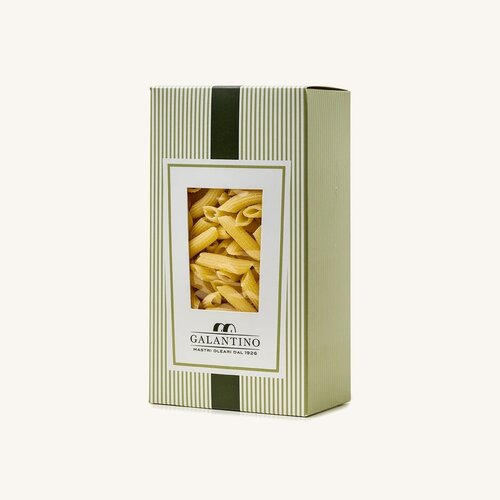
Penne are short tubes cut diagonally at the ends. The word rigate refers to the ridges on the outside. Those ridges give the sauce extra grip, while the hollow centre fills with sauce as you eat.
This makes Penne extremely versatile. Medium-thick sauces work particularly well: not so liquid that everything runs out, but not so chunky that the tubes cannot capture anything.
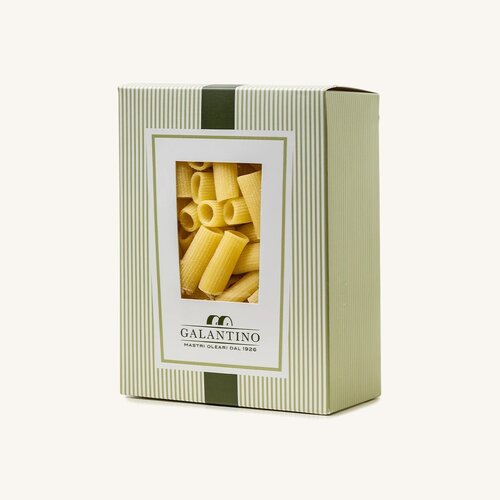
Rigatoni are larger and wider than Penne, cut straight at the ends and covered with deep vertical ridges. They feel firmer and more robust and can therefore carry much richer sauces.
Pieces of meat, vegetables, cheese or thick sauce cling not only to the outside but also disappear into the wide tubes. That means every bite carries plenty of sauce.
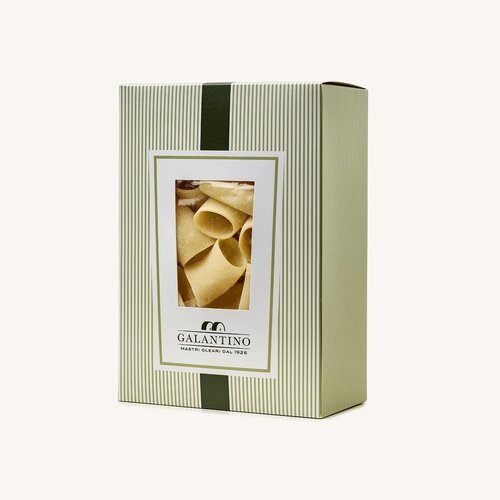
Paccheri are very large, wide tubes from Campania. They have a striking shape, a firm al dente bite and enough space to literally capture chunky sauces.
They are excellent with rich meat or fish sauces, but can also be stuffed and baked in the oven. Because the pasta is so large, each tube almost becomes a small component of the dish in its own right.
Good pasta starts with good durum wheat. After that, the production method makes an enormous difference. Extruding the pasta through bronze dies creates a lightly rough surface that helps sauce cling to it.
Slow drying at low temperature also helps preserve the structure of the pasta. The result is pasta with a firm al dente bite and enough character to be more than simply a carrier for the sauce: it becomes a genuine part of the dish.
Especially with Spaghetti and Linguine, a good Extra Virgin olive oil is far more than simply cooking fat. Together with starchy pasta water, the oil can form a thin emulsion that coats the pasta. Add a little garlic, pepper, herbs or Parmesan and that is often all you need.
That is really the whole secret behind these five choices. Spaghetti for light and smooth sauces, Linguine for fish and emulsions, Penne for versatility, Rigatoni for substantial sauces and Paccheri when the dish can be really rich and generous. Five different shapes, because not every sauce deserves the same pasta.
In our Olijfolie Academie we go much deeper into pasta. Discover why Spaghetti, Linguine, Penne, Rigatoni and Paccheri all have their own function, which sauces work best with which shapes and why the quality of the pasta itself can make such a remarkable difference.
| Content | 500 gram |
| Country of origin | Italy |